Shoulder pain can make even the simplest daily activities difficult. Reaching overhead, lifting objects, getting dressed, or sleeping comfortably can become challenging when the rotator cuff is injured.
A rotator cuff tear is a common cause of shoulder pain and weakness, particularly among adults over 40. These injuries can develop gradually over time or occur suddenly following a fall or other traumatic event. Understanding the symptoms, causes, and available treatment options can help you determine when it’s time to seek orthopedic care.
The rotator cuff is a group of four muscles and their associated tendons that surround the shoulder joint. These muscles originate from the shoulder blade (scapula), and their tendons attach to the upper arm bone (humerus).
The four rotator cuff muscles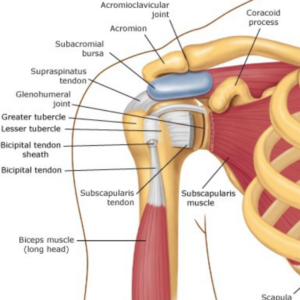 are:
Supraspinatus: Helps lift the arm away from the body.
Infraspinatus: Helps rotate the arm outward.
Teres Minor: Assists with outward rotation and shoulder stability.
Subscapularis: Helps rotate the arm inward.
Together, these muscles and tendons help lift and rotate the arm while keeping the ball of the upper arm bone securely positioned within the shoulder socket.
When one or more of these tendons becomes damaged or torn, shoulder strength, stability, and mobility can be affected.
Rotator cuff tears generally occur for two reasons: an acute injury or gradual wear and tear over time.
Acute injuries
A rotator cuff tear can happen suddenly following an injury or accident. Common examples include:
Falling directly onto your shoulder.
Falling onto an outstretched arm while playing sports.
Experiencing a sudden injury while skiing, playing tennis, or participating in other physical activities.
Lifting something heavy with a sudden or jerking motion.
These injuries may cause immediate pain, weakness, and difficulty moving the affected arm.
Degenerative injuries
Many rotator cuff tears develop gradually as the tendons weaken and deteriorate over time. Age-related changes, repetitive movements, and ongoing stress on the shoulder can contribute to tendon damage.
People at increased risk include:
Adults over the age of 40.
Athletes who participate in repetitive overhead activities, including tennis, baseball, swimming, and rowing.
Individuals whose occupations involve repetitive lifting or overhead work.
Painters, carpenters, warehouse workers, and other individuals who regularly perform physically demanding tasks.
Rotator cuff tear symptoms can range from mild discomfort to significant pain and weakness. Some people experience symptoms gradually, while others notice an immediate change following an injury.
Common symptoms include:
Shoulder pain: Pain is often felt in the front or outside of the shoulder and may radiate down the side of the upper arm.
Nighttime discomfort: Pain may become worse when lying on the affected shoulder, making it difficult to sleep.
Pain with overhead movement: Reaching into cabinets, lifting objects, or raising your arm may become uncomfortable.
Arm weakness: You may notice difficulty lifting or rotating your arm.
Limited mobility: Everyday activities such as combing your hair, getting dressed, or reaching behind your back may become challenging.
Sudden pain following an injury: An acute tear may produce a popping or snapping sensation followed by immediate pain and weakness.
If you experience persistent shoulder pain, weakness, or difficulty with everyday activities, an orthopedic evaluation can help identify the underlying cause.
Diagnosing a rotator cuff tear begins with a review of your symptoms, medical history, and a physical examination.
During the examination, an orthopedic specialist may:
Evaluate your shoulder’s range of motion.
Assess strength and muscle function.
Check for areas of tenderness.
Perform specific movements to evaluate the rotator cuff and surrounding structures.
Imaging may also be recommended to help confirm a diagnosis. X-rays can help identify bone abnormalities or other conditions affecting the shoulder. An MRI or ultrasound can provide a closer look at the rotator cuff tendons and help determine the location and extent of a tear.
An accurate diagnosis is important because not all shoulder pain is caused by a rotator cuff injury. Other conditions, including shoulder arthritis, bursitis, and impingement, can produce similar symptoms.
Treatment depends on several factors, including the size and location of the tear, the severity of symptoms, your activity level, and your overall health.
Many patients can achieve meaningful pain relief and improved shoulder function without surgery.
Nonsurgical treatment
Depending on the injury, treatment may include:
Activity modification: Temporarily limiting movements that aggravate the shoulder, particularly repetitive overhead activities.
Physical therapy: Guided exercises to improve flexibility, restore range of motion, and strengthen the muscles supporting the shoulder.
Anti-inflammatory medications: Medications may help manage pain and inflammation when appropriate.
Corticosteroid injections: In some cases, an injection may provide temporary relief from pain and inflammation.
Although nonsurgical treatment can improve symptoms and function, a torn tendon does not necessarily heal on its own. Your orthopedic specialist can help determine whether conservative treatment is appropriate for your particular injury.
Surgical treatment
If pain and weakness persist despite nonsurgical treatment, or if the injury involves a significant acute tear, surgery may be recommended.
Rotator cuff repair surgery involves reattaching the damaged tendon to the upper arm bone (humerus). The specific surgical approach depends on the size and location of the tear and the condition of the surrounding tissue.
At Greater Orlando Orthopedic Group, our shoulder specialists perform minimally invasive arthroscopic shoulder procedures, including primary and revision rotator cuff repairs.
During arthroscopic rotator cuff repair, the surgeon uses a small camera and specialized instruments inserted through small incisions to examine and repair the damaged structures. This approach allows the surgeon to address the injury while minimizing disruption to the surrounding tissues.
Recovery following rotator cuff repair varies depending on the extent of the injury and the procedure performed. Physical therapy and following your surgeon’s postoperative instructions are important parts of the recovery process.
Shoulder pain that persists, interferes with sleep, or limits your ability to perform everyday activities should not be ignored.
You should consider an orthopedic evaluation if you experience:
Shoulder pain that does not improve with rest.
Weakness when lifting or rotating your arm.
Difficulty reaching overhead or behind your back.
Shoulder pain that regularly interrupts your sleep.
Sudden shoulder pain and weakness following a fall or injury.
Early evaluation can help identify the source of your symptoms and determine the most appropriate treatment plan.
Read more at our shoulder FAQs page here.
At Greater Orlando Orthopedic Group, our orthopedic specialists provide comprehensive evaluation and treatment for shoulder injuries and conditions. From conservative treatment and physical therapy to advanced arthroscopic procedures, our goal is to help patients reduce pain, restore mobility, and return to the activities they enjoy.
If shoulder pain or weakness is affecting your daily life, schedule an appointment with Greater Orlando Orthopedic Group to discuss your symptoms and treatment options.
Call (407) 977-4130 to schedule an appointment.
For more information about rotator cuff injuries, treatment, and rehabilitation, explore these resources from the American Academy of Orthopaedic Surgeons (AAOS):