
Shoulder pain can make everyday activities like reaching overhead, getting dressed, sleeping or lifting objects surprisingly difficult. But just like knee pain, shoulder pain isn’t a diagnosis. Several different structures can cause shoulder symptoms, and determining the source of the pain is an important first step toward treatment.
The shoulder is one of the body’s most mobile joints. That mobility also makes it vulnerable to injuries and conditions affecting the bones, cartilage, muscles, tendons and ligaments.
Common causes of shoulder pain include:
The details of your symptoms can help your doctor determine which structures may be involved. Be prepared to discuss:
It can also be helpful to tell your doctor about your work, exercise and sports activities, particularly if they involve repetitive overhead movements.
Diagnosis typically begins with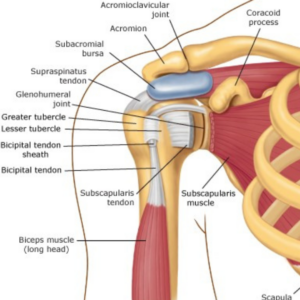 a conversation about your symptoms and a physical examination.
Your doctor may evaluate your shoulder’s range of motion, strength and stability and perform specific movements designed to help identify the source of your pain. Your neck and other areas may also be examined when appropriate, since problems outside the shoulder can sometimes cause shoulder symptoms.
Imaging may be recommended depending on your symptoms and examination.
X-rays can help identify arthritis, fractures, bone abnormalities and other changes involving the bones and joint. An MRI can provide more detailed information about soft tissues such as the rotator cuff, labrum and other tendons and ligaments.
In some situations, additional imaging or diagnostic tests may be appropriate.
Importantly, an imaging finding doesn’t always explain a person’s symptoms. Your doctor will consider your history, physical examination and imaging together to determine the most likely cause of your pain.
If you’re being evaluated for shoulder pain, consider asking:
Shoulder pain can have many causes, and the treatment that works for one condition may not be appropriate for another. A thorough evaluation can help identify what’s actually causing your symptoms and guide the next step in treatment.
This information is for educational purposes only and is not a substitute for evaluation and medical advice from a qualified healthcare professional.
To schedule a consultation, call (407) 977-4130.