

Orthopedic Services

Expert Hand & Wrist Care in Greater Orlando

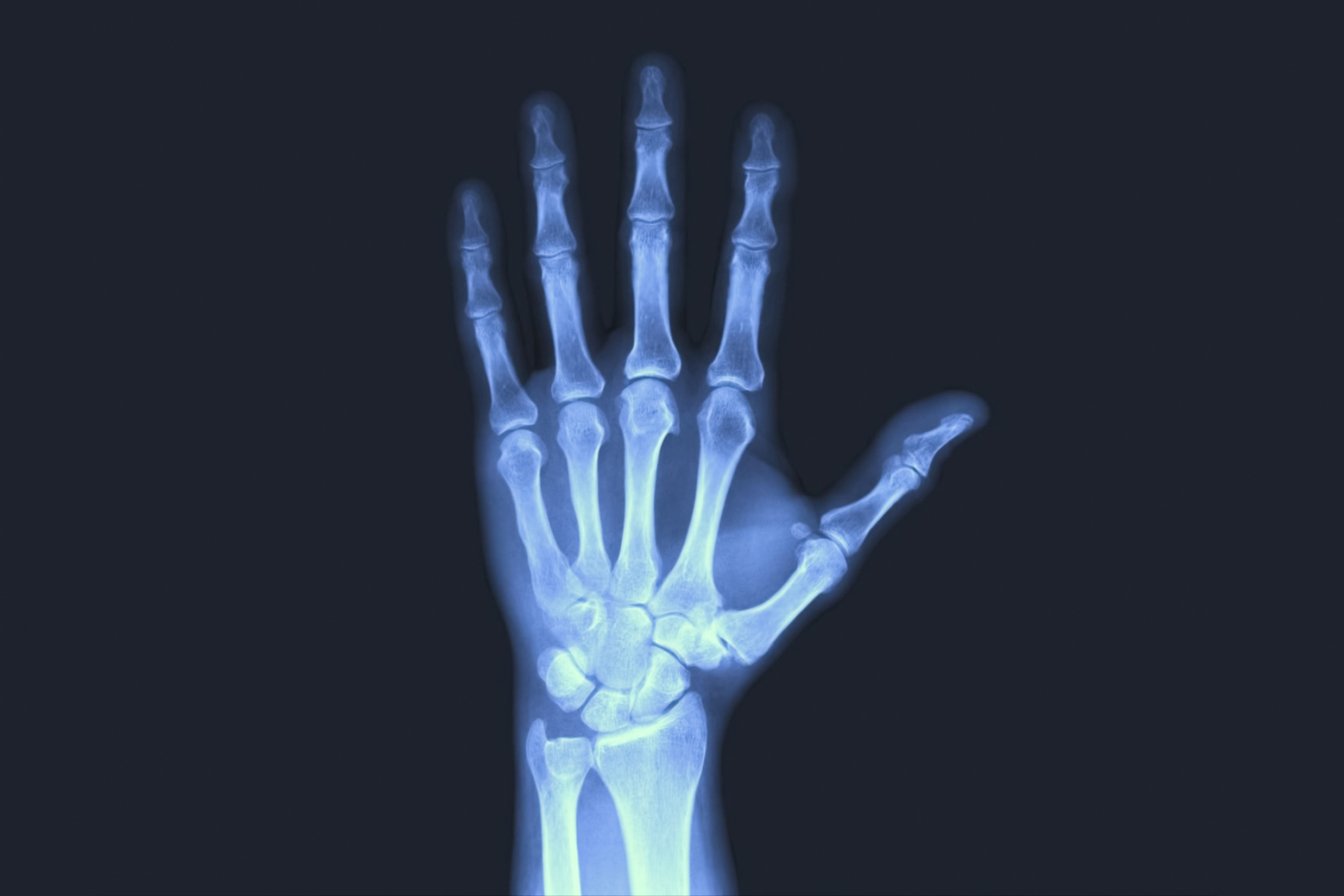
Orthopedic hand care

The hand and wrist are some of the most intricate, high-demand structures in your body — full of tiny joints, nerves, tendons, and ligaments that all must work in sync. When pain, stiffness, numbness, or injury strikes, even the simplest tasks (like gripping a cup or typing) can feel impossible.

Our team at Greater Orlando Orthopedic Group provides comprehensive, advanced care for all hand and wrist conditions — from everyday overuse injuries to complex fractures and nerve problems. Using guidance from the American Academy of Orthopaedic Surgeons (AAOS), we focus on accurate diagnosis, personalized treatment, and restoring full, comfortable function.

When to See a Hand & Wrist Specialist

You may benefit from a medical evaluation if you are experiencing:

  • Persistent numbness or tingling
  • Difficulty gripping or pinching
  • Swelling or stiffness that doesn’t improve
  • Pain with typing, lifting, or wrist movement
  • Clicking, locking, or triggering fingers
  • Limited hand strength or motion
  • A visible deformity or sudden injury

Early diagnosis means quicker relief and better outcomes.

Get Back to Doing What You Love

Whether your symptoms are from sports, work, overuse, or injury, our specialists are here to help you regain function and get back to your favorite activities.

 Call to schedule
 Multiple locations across Greater Orlando

Hand & Wrist Conditions Treated

Median nerve compression at the wrist that causes numbness, tingling, nighttime symptoms, and hand weakness. Early care focuses on splinting, ergonomic changes, and therapy, while advanced cases may benefit from carpal tunnel release.

Trigger Finger (Stenosing Tenosynovitis)

Tendon inflammation causes the finger to “catch,” click, or get stuck when bent. Mild cases respond well to splints and injections; more advanced cases may require a tendon-release procedure.

Arthritis of the Hand, Thumb & Wrist

Degeneration of the joints or thumb that leads to pain, stiffness, weakness, and difficulty with gripping or fine motor tasks like opening jars. One of the most common forms of arthritis.

Ulnar Nerve Syndrome (Cubital Tunnel Syndrome)

This condition occurs when the ulnar nerve (the “funny bone” nerve) becomes compressed or irritated as it passes through the cubital tunnel at the elbow or into the hand at Guyon’s canal. Patients often notice numbness or tingling in the ring and pinky fingershand weakness, difficulty gripping, and in advanced cases, visible muscle wasting.

Wrist Sprains & Ligament Tears

A fall or sudden twist can overstretch or tear the wrist ligaments. Symptoms include swelling, pain with gripping, and instability. Treatment ranges from bracing and physical therapy to minimally invasive surgery for severe tears.

Ganglion Cysts

Fluid-filled lumps that commonly appear on the wrist. They may come and go, cause pain, or limit motion. Options include observation, aspiration, or removal if they keep returning.

Tendon and Nerve Injuries

Cuts, trauma, or overuse can damage the delicate tendons and nerves that control hand movement and sensation. Early evaluation is key to prevent long-term stiffness or weakness.

Fractures of the Hand & Wrist

Broken bones in the hand or wrist may involve the radius, ulna, metacarpals, or small finger bones. We provide expert fracture care — from casting to surgical fixation — focusing on rapid healing and restoring full hand function.

Smartphone Tendinitis

Repetitive texting, scrolling, and gripping can strain the tendons in the wrist and thumb, leading to pain, swelling, and reduced mobility. Smartphone tendinitis often presents as aching at the base of the thumb or along the wrist, especially during extended device use.

Loose Bone Fragments

Injuries or arthritis can cause small pieces of bone or cartilage to break off inside the wrist or hand joint. These loose fragments may trigger sharp pain, clicking, catching, or reduced range of motion as they move within the joint space.

Damaged or Torn Cartilage

Cartilage injuries in the wrist or hand can occur from trauma, overuse, or degenerative conditions. When cartilage wears down or tears, patients may feel deep joint pain, grinding, stiffness, or swelling during movement.

Inflamed Joint Linings (Synovitis)

Synovitis happens when the protective lining around a joint becomes irritated and swollen. This inflammation can cause warmth, tenderness, and difficulty moving the wrist or fingers, often linked to overuse injuries, autoimmune conditions, or repetitive motion.

Scarring Within Joints (Arthrofibrosis)

Scar tissue can form inside the joint after injury, surgery, or chronic inflammation. This excessive scar buildup limits mobility, causes stiffness, and can lead to persistent pain, especially when trying to bend or fully extend the fingers or wrist.

Non-Surgical Treatments

Physical Therapy and/or Exercise

  • Strengthening and stabilizing muscles around the  hand and wrist
  • Improving range of motion and reducing stiffness
  • Techniques such as manual therapy, stretching, and resistance exercises

Anti-inflammatory Pain Medications

  • Nonsteroidal anti-inflammatory drugs (NSAIDs) like ibuprofen or naproxen to reduce pain and inflammation

  • Corticosteroids (oral or injections) for significant inflammation relief

  • Topical pain relievers (lidocaine or capsaicin creams)

Steroid Injections

  • Corticosteroid injections can provide temporary relief from pain and inflammation

  • May be used for conditions like arthritis

Injection Therapy

  • Uses a concentration of the patient’s own platelets to promote healing

  • Still under research but may help with tendon injuries

Lifestyle & Ergonomic Modifications

  • Check your sitting and working  postures and sleeping positions

  • Modify workouts

Surgical Procedures

Carpal tunnel release

(open or minimally invasive) A minimally invasive procedure that relieves pressure on the median nerve, improving hand numbness, grip strength, and sleep quality

Trigger finger release

A precise procedure that frees the affected tendon so the finger moves smoothly without pain or locking.

Tendon repair and reconstruction

Used for torn or lacerated tendons, restoring the ability to bend, straighten, and grip effectively.

Fracture fixation with plates, screws, or pins

Depending on the injury, this may include plates, screws, pins, or casting to ensure proper alignment and fast, functional healing.

Arthritis Procedures & Joint Reconstruction

Includes joint-preserving surgeries, partial wrist fusion, or other reconstruction options tailored to each patient’s lifestyle and activity level.

Ganglion Cyst Removal

Surgical excision of persistent or painful cysts to reduce recurrence and restore comfort.

Our Team of Doctors

Ronald V. Hudanich, DO

Board-Certified Orthopedic Surgeon Hip and Knee Replacement Specialist

robert meuret, orlando fracture, orlando trauma surgeon, orlando orthopedic surgery

Robert J. Meuret, MD, MPT

Board-Certified Orthopedic Surgeon Fellowship-Trained in Trauma

Brian K. Vickaryous, MD Board-certified Orthopedic Surgeon

Brian K. Vickaryous, MD

Board-Certified Orthopedic Surgeon Subspecialty Trained and Board-Certified in Orthopaedic Sports Medicine